
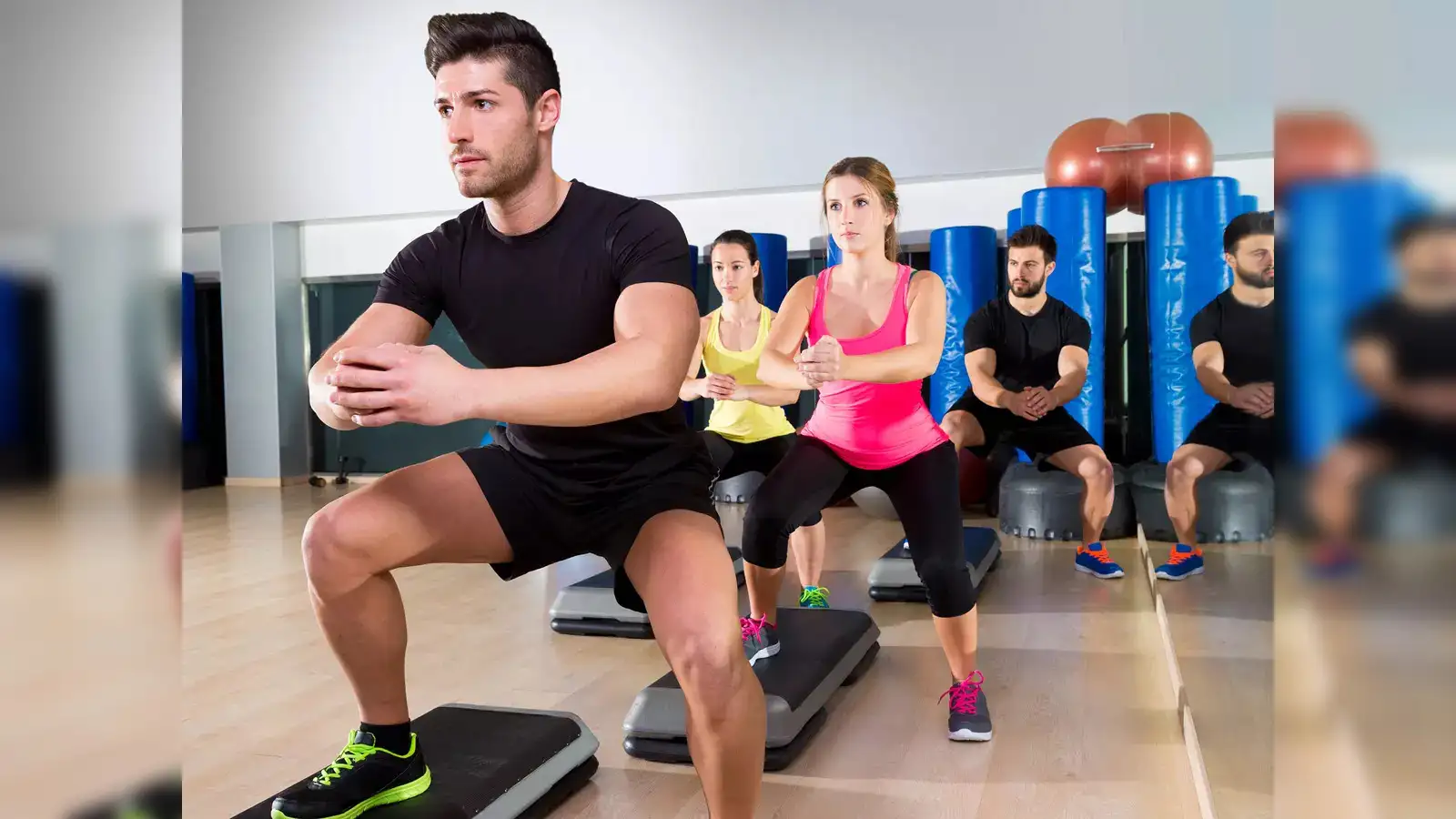
Why Apparel Choice Directly Affects Performance in Fitness Classes in Singapore’s Tropical Climate

In Singapore’s humid, year-round warm climate, fitness apparel is far more than a style choice. What you wear directly influences performance, comfort, recovery, and even injury risk. Many people attending regular group workouts underestimate how clothing interacts with sweat management, body temperature, and movement efficiency. Over time, poor apparel choices can reduce training quality and increase fatigue, even when workouts are well structured.
As participation in fitness classes singapore continues to grow, understanding performance-focused apparel becomes essential. The right clothing supports the body during movement, regulates heat effectively, and allows consistent effort without distraction.
Why Singapore’s Climate Changes Apparel Requirements
Singapore’s high humidity limits the body’s ability to cool itself through evaporation. During exercise, sweat must evaporate efficiently to regulate temperature. When apparel traps moisture or heat, the body works harder to cool down, increasing perceived exertion.
Climate-specific challenges include:
-
Excessive sweat retention
-
Faster dehydration
-
Overheating during moderate intensity classes
-
Skin irritation from prolonged moisture
-
Reduced grip and stability during movement
Apparel designed for temperate climates often performs poorly in tropical conditions.
Thermoregulation and Training Performance
Thermoregulation refers to the body’s ability to maintain a stable internal temperature. Clothing plays a critical role in this process during exercise.
Performance-focused apparel supports thermoregulation by:
-
Allowing sweat to evaporate quickly
-
Promoting airflow across the skin
-
Preventing heat buildup around joints
-
Reducing friction and irritation
When thermoregulation is compromised, heart rate increases, endurance drops, and fatigue sets in earlier than expected.
Fabric Technology and Moisture Management
Fabric choice is the most important factor in performance apparel. In high-humidity environments, moisture-wicking and quick-drying materials outperform traditional cotton by a wide margin.
Effective performance fabrics offer:
-
Rapid moisture transport away from the skin
-
Lightweight construction for airflow
-
Fast drying to prevent chill post-class
-
Reduced bacterial growth that causes odour
Cotton absorbs sweat and holds it against the skin, increasing discomfort and reducing cooling efficiency during longer sessions.
Compression Apparel and Movement Efficiency
Compression garments are increasingly popular in group fitness settings, not for aesthetics, but for functional benefits.
Properly designed compression apparel can:
-
Improve muscle awareness and control
-
Reduce excessive muscle vibration
-
Enhance blood circulation during movement
-
Support joints during repetitive actions
For strength, cycling, and conditioning classes, compression can improve comfort and perceived stability, especially during longer sessions.
Apparel Fit and Range of Motion
Ill-fitting apparel restricts movement and alters exercise mechanics. Tight seams, poorly placed waistbands, or limited stretch can interfere with proper form.
Performance-oriented fit considerations include:
-
Four-way stretch for unrestricted movement
-
Secure waistbands that stay in place during dynamic exercises
-
Seam placement that avoids friction points
-
Adequate coverage without excess fabric
Freedom of movement allows participants to focus on technique rather than constant adjustments.
Footwear and Stability in Group Fitness Classes
While not always considered part of fashion, footwear is a critical component of performance apparel. The wrong shoes can undermine even the best training programme.
Key footwear considerations include:
-
Stable soles for strength-based classes
-
Adequate cushioning without excessive softness
-
Grip suitable for studio flooring
-
Support aligned with class type
Shoes designed for running may not provide sufficient stability for lateral or strength-focused movements.
Sweat Management and Skin Health
Prolonged exposure to moisture increases the risk of skin irritation, rashes, and discomfort. Apparel that manages sweat effectively protects skin integrity.
Skin-friendly apparel features include:
-
Breathable panels in high-sweat areas
-
Flat seams to reduce chafing
-
Antimicrobial treatments to limit odour
-
Lightweight materials that reduce friction
Comfort directly affects training quality and consistency over time.
The Psychological Impact of Performance Apparel
Clothing influences confidence, focus, and motivation. When participants feel comfortable and supported by their apparel, they move with greater confidence and intent.
Psychological benefits include:
-
Reduced self-consciousness during group classes
-
Improved posture awareness
-
Increased willingness to train consistently
-
Greater enjoyment of the training experience
Performance apparel supports both physical and mental engagement during workouts.
Sustainability and Long-Term Apparel Choices
Durability and sustainability are increasingly important considerations. Apparel that degrades quickly under frequent washing and heavy sweating becomes costly and environmentally inefficient.
High-quality performance apparel offers:
-
Longer lifespan despite frequent use
-
Better resistance to moisture damage
-
Reduced need for constant replacement
-
Improved overall value over time
Sustainable choices often align with performance benefits rather than sacrificing them.
Common Apparel Mistakes in Group Fitness
Many participants unknowingly compromise performance through apparel habits that seem harmless.
Common mistakes include:
-
Wearing cotton-based clothing for high-sweat classes
-
Choosing style over function
-
Ignoring footwear suitability for class type
-
Wearing overly loose or restrictive garments
-
Reusing damp apparel without proper drying
Correcting these issues often results in immediate improvements in comfort and endurance.
Matching Apparel to Class Intensity and Format
Different fitness classes place different demands on apparel. One outfit does not suit all formats.
Examples include:
-
Strength classes benefiting from stable footwear and compression
-
Cardio-based classes requiring high breathability
-
Mobility-focused sessions prioritising stretch and comfort
-
Long-duration classes demanding superior moisture control
Adapting apparel choices to class type enhances overall performance.
The Role of Professional Fitness Environments
Structured fitness environments often emphasise safe movement, proper technique, and long-term consistency. Apparel that supports these goals complements quality instruction.
Facilities such as True Fitness Singapore provide structured class experiences where performance-focused apparel enhances training outcomes. When apparel and programming align, participants train more effectively and comfortably.
Real-Life FAQs
Question & Answer: Does apparel really affect workout performance that much?
Yes. Poor moisture control, restricted movement, and overheating can significantly reduce endurance and focus during classes.
Question & Answer: Is cotton ever suitable for fitness classes in Singapore?
Cotton is generally unsuitable for high-intensity or long-duration classes due to its moisture retention properties.
Question & Answer: Do I need different outfits for different class types?
Ideally, yes. Apparel should match the movement and intensity demands of each class format.
Question & Answer: Can compression clothing help reduce fatigue?
Many participants report improved comfort and muscle support, especially during longer or high-frequency training.
Question & Answer: How often should fitness apparel be replaced?
Replacement depends on usage and quality, but performance fabrics typically last longer when properly cared for.

Comments are closed.