
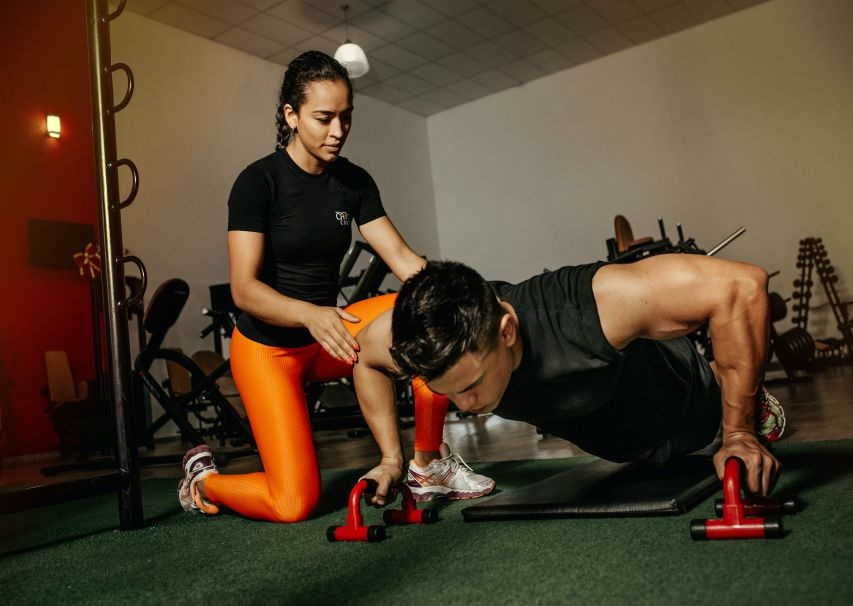

Most people think fitness changes how they look in the mirror. What many do not expect is how dramatically it changes how clothes feel, sit, and move on the body. Shirts drape differently, trousers sit better, jackets feel more comfortable, and everyday outfits start to look sharper without changing wardrobe size. This is one of the most overlooked benefits of working with a personal gym trainer singapore, especially for people who care about presentation, confidence, and comfort in daily wear.
Clothing fit is not only about weight or body size. It is influenced by posture, muscle balance, joint alignment, and how the body holds itself throughout the day. A well-designed training programme improves all of these, often without dramatic changes on the weighing scale.
Why Clothing Fit Is More Than Body Weight
Many people focus on weight loss when they want clothes to fit better. While body composition matters, it is not the only factor.
Clothing fit is affected by:
-
Shoulder positioning and upper back posture
-
Chest and ribcage alignment
-
Waist and hip balance
-
Glute and leg engagement
-
Neck and head posture
Two people with the same height and weight can look completely different in the same outfit due to how their body is structured and how they move.
The Role of Posture in How Clothes Sit
Posture plays a major role in clothing appearance. Poor posture changes how fabric falls on the body, often creating tightness or pulling in the wrong places.
Rounded Shoulders and Slouched Posture
When shoulders roll forward, shirts pull across the chest, jackets feel tight in the upper back, and collars sit awkwardly. Training that strengthens the upper back and improves shoulder positioning allows clothes to hang more naturally.
Forward Head Position
A forward head posture shortens the neck visually and causes collars and necklines to sit poorly. Improved neck and upper spine alignment enhances both comfort and appearance.
Pelvic Position
Anterior or posterior pelvic tilt affects how trousers fit around the waist and hips. Correcting this through targeted training often improves comfort without changing waist size.
How Muscle Balance Improves Clothing Comfort
Clothing is designed to fit bodies with balanced proportions. Muscle imbalances distort these proportions, even in people who exercise regularly.
Upper Body Balance
Overdeveloped chest muscles with weak upper back muscles cause garments to pull forward. Balanced training restores symmetry, allowing shirts and blazers to sit evenly.
Lower Body Alignment
Weak glutes and tight hip flexors alter how trousers fit and move. Strengthening the posterior chain improves how pants sit and feel during walking or standing.
Arm and Shoulder Control
Improved shoulder stability changes how sleeves fall and move, especially in tailored shirts or fitted tops.
Why Training Changes Fit Without Changing Size
Many clients notice clothes fitting better even when the scale barely moves. This happens because training reshapes the body rather than simply shrinking it.
Key reasons include:
-
Improved posture increases vertical alignment
-
Muscle tone supports fabric better
-
Reduced bloating from improved movement and breathing
-
Better weight distribution across the body
As a result, clothes feel more comfortable and look sharper without needing a smaller size.
Fashion Confidence Comes from Movement Quality
How clothes look is closely linked to how a person moves. Confidence is not static. It shows in posture, walking style, and presence.
Standing and Walking Mechanics
Training improves how the body carries itself. This changes how garments move with the body rather than against it.
Reduced Fidgeting and Adjustment
Better alignment reduces the need to constantly adjust clothing, improving confidence in social and professional settings.
Comfortable Stillness
Good posture allows people to stand or sit comfortably without tension, enhancing overall presentation.
Tailored Clothing and Training Go Hand in Hand
People who invest in tailored clothing often overlook the impact of physical structure on fit. Even the best tailoring cannot compensate for poor posture or imbalance.
Training enhances tailoring by:
-
Allowing garments to sit as intended
-
Reducing the need for excessive alterations
-
Improving long-term consistency in fit
As posture improves, clothes often need fewer adjustments over time.
The Impact of Training on Workwear
In professional environments, clothing fit influences perception. Well-fitted attire signals confidence, attention to detail, and self-awareness.
Office Attire
Improved posture allows blazers, shirts, and dresses to sit cleanly without pulling or creasing.
Long Workdays
Balanced training reduces discomfort during extended sitting or standing, keeping clothes comfortable throughout the day.
Travel and Meetings
Clothes maintain shape and comfort better when the body supports them properly.
Casual Wear Feels Different Too
The benefits are not limited to formal clothing.
Everyday Comfort
Jeans, t-shirts, and casual wear feel more comfortable due to improved movement and alignment.
Better Proportions
Casual outfits look more intentional when the body carries them well.
Reduced Wear and Tear
Improved movement patterns reduce friction and strain on clothing.
Why This Matters in Singapore’s Lifestyle
In Singapore, where professional presentation, social events, and climate all influence clothing choices, comfort and fit matter greatly.
Factors include:
-
Lightweight fabrics that show posture clearly
-
Long work hours that demand comfort
-
Social settings where appearance influences confidence
Training that improves how clothes fit supports both lifestyle and self-image.
How Trainers Integrate This Into Programming
Improving clothing fit is not a direct goal but a natural outcome of intelligent training.
Postural Strength Work
Exercises strengthen muscles responsible for upright posture and stability.
Mobility and Flexibility
Improved joint mobility allows the body to move freely within clothing.
Movement Awareness
Clients learn how daily habits affect posture and appearance.
Long-Term Adaptation
Changes develop gradually, leading to sustainable improvements.
The Environment That Supports This Transformation
This kind of physical refinement requires thoughtful coaching and an environment that values quality movement. Facilities like TFX Fitness support training approaches that improve not just fitness levels but everyday comfort, posture, and confidence.
More Than Looking Fit
Looking good in clothes is not about chasing a certain body type. It is about alignment, balance, and how the body supports what it wears. Training that focuses on these elements creates changes that are subtle yet powerful.
When clothes fit better, people stand taller, move with ease, and feel more confident. These changes influence how others perceive them and how they perceive themselves.
Frequently Asked Questions
Q: Will this approach help if I have not lost much weight?
A: Yes. Many improvements in clothing fit come from posture and muscle balance rather than weight loss.
Q: Can training really affect how tailored clothes fit?
A: Yes. Improved alignment allows tailored garments to sit more naturally and comfortably.
Q: How long does it take to notice changes in clothing fit?
A: Many people notice subtle improvements within a few weeks, with more visible changes over several months.
Q: Is this relevant for both men and women?
A: Yes. Posture and muscle balance influence clothing fit regardless of gender.
Q: Do I need fashion-focused training for this to happen?
A: No. These benefits occur naturally through well-designed, balanced training programmes.

Comments are closed.