
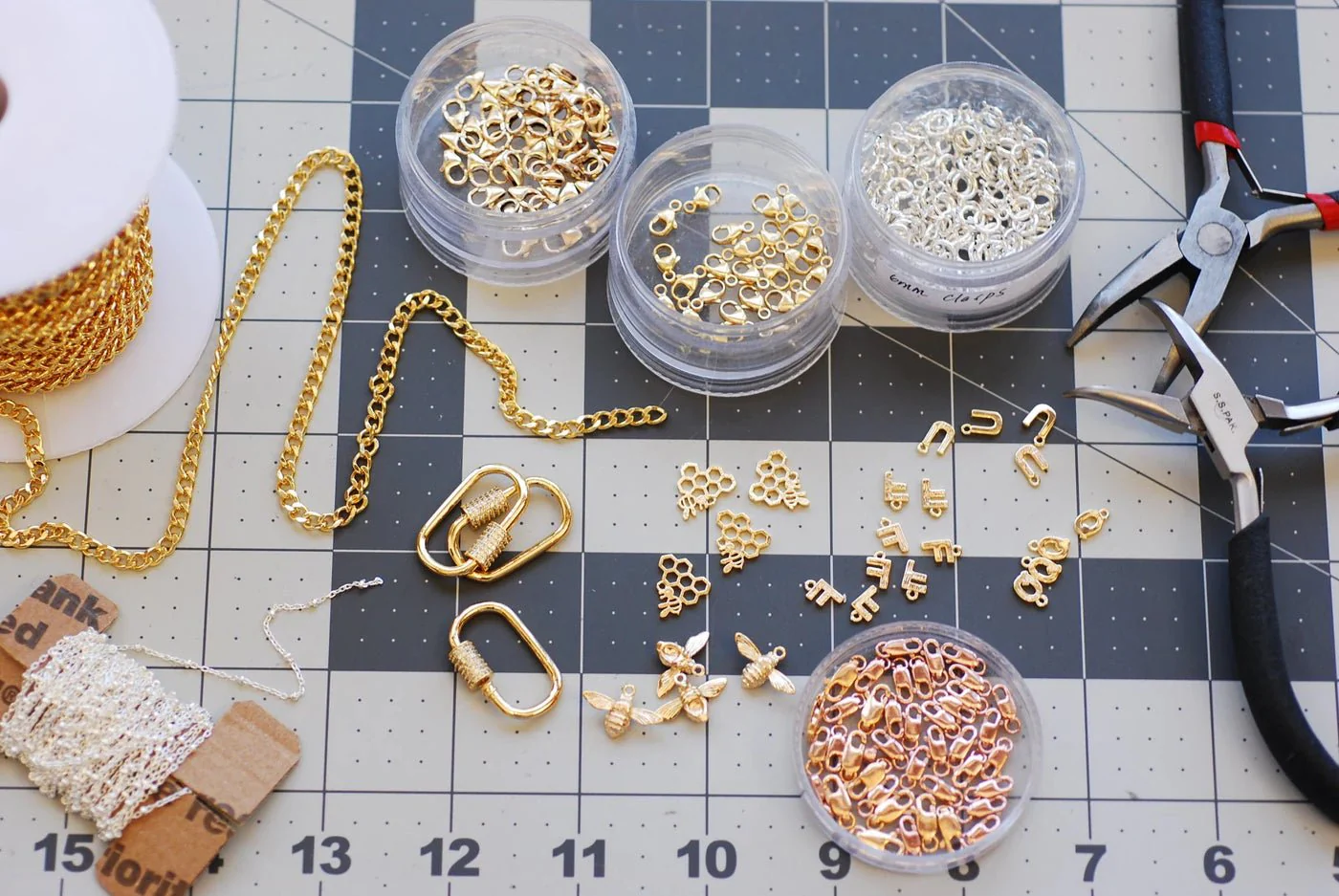

The materials used in jewelry making define not only the appearance of a piece but also its durability, value, and emotional significance. From traditional precious metals to innovative modern alternatives, jewelry materials have evolved to suit changing tastes, technologies, and lifestyles.
Precious Metals in Jewelry
Precious metals are prized for their beauty, rarity, and longevity. They form the foundation of fine jewelry.
Gold
Gold is one of the most widely used jewelry materials due to its versatility and resistance to tarnish.
Common gold types include:
- Yellow gold – Classic and warm-toned
- White gold – Sleek, modern, and often rhodium-plated
- Rose gold – Romantic with a pinkish hue
Gold purity is measured in karats, with 24K being pure gold and lower karats offering greater strength for daily wear.
Silver
Silver is valued for its affordability and elegance. The most common form used in jewelry is sterling silver, which contains 92.5% pure silver blended with other metals for durability.
Platinum
Platinum is a rare, dense metal known for its strength and natural white color. It is highly resistant to wear, making it ideal for rings and settings that hold valuable gemstones.
Gemstones and Diamonds
Gemstones add brilliance, color, and character to jewelry pieces. They are often chosen for their symbolism and durability.
Diamonds
Diamonds are the hardest natural material and symbolize endurance and commitment. Their brilliance comes from precise cutting and clarity.
Colored Gemstones
Popular colored gemstones include:
- Sapphires for elegance and durability
- Emeralds for rich green tones
- Rubies for deep red brilliance
- Amethyst, topaz, and garnet for affordable color variety
Gemstones may be natural, treated, or lab-created, each offering different benefits in price and availability.
Alternative and Modern Metals
Modern jewelry design embraces materials beyond traditional precious metals.
Stainless Steel
Durable, hypoallergenic, and resistant to corrosion, stainless steel is widely used in contemporary and everyday jewelry.
Titanium
Titanium is lightweight yet extremely strong. It is popular for minimalist designs and men’s jewelry due to its comfort and modern appeal.
Tungsten
Known for its hardness and scratch resistance, tungsten is commonly used in bands and industrial-style jewelry.
Organic and Natural Materials
Organic materials introduce texture and individuality to jewelry designs.
Pearls
Pearls are formed naturally in mollusks and are valued for their soft luster. They are commonly used in classic and formal jewelry.
Wood, Bone, and Shell
These materials are often found in artisanal and cultural jewelry, offering earthy aesthetics and handcrafted charm.
Leather and Textiles
Used primarily in casual or statement jewelry, leather and woven fibers add flexibility and a contemporary edge.
Synthetic and Decorative Materials
Decorative materials allow for creativity and affordability in jewelry making.
Glass and Crystal
Glass and crystal elements mimic gemstones and add sparkle at a lower cost. They are widely used in fashion jewelry.
Resin and Acrylic
Resin allows designers to embed colors, textures, and even organic elements, resulting in bold and artistic designs.
Choosing the Right Jewelry Material
Selecting the right material depends on personal preference, lifestyle, and budget.
Key factors to consider include:
- Skin sensitivity and allergies
- Frequency of wear
- Maintenance requirements
- Desired appearance and longevity
Understanding materials helps buyers make informed decisions and ensures long-lasting satisfaction.
FAQs About Jewelry Materials
What is the most durable material for jewelry?
Platinum and titanium are among the most durable materials, making them ideal for everyday wear.
Is sterling silver suitable for daily use?
Yes, but it requires regular cleaning to prevent tarnishing and maintain its shine.
Are lab-created gemstones real?
Lab-created gemstones share the same physical and chemical properties as natural stones but are made in controlled environments.
Why is gold mixed with other metals?
Pure gold is soft, so it is alloyed with other metals to improve strength and durability.
Are alternative metals safe for sensitive skin?
Many alternative metals like titanium and stainless steel are hypoallergenic and suitable for sensitive skin.
Do organic materials last as long as metals?
Organic materials are less durable than metals and require gentle handling and proper care.
How can I maintain jewelry made from different materials?
Store jewelry separately, clean according to material type, and avoid exposure to harsh chemicals.
The wide range of materials used in jewelry making allows for endless creativity, ensuring there is a perfect piece for every style, purpose, and occasion.

Comments are closed.