
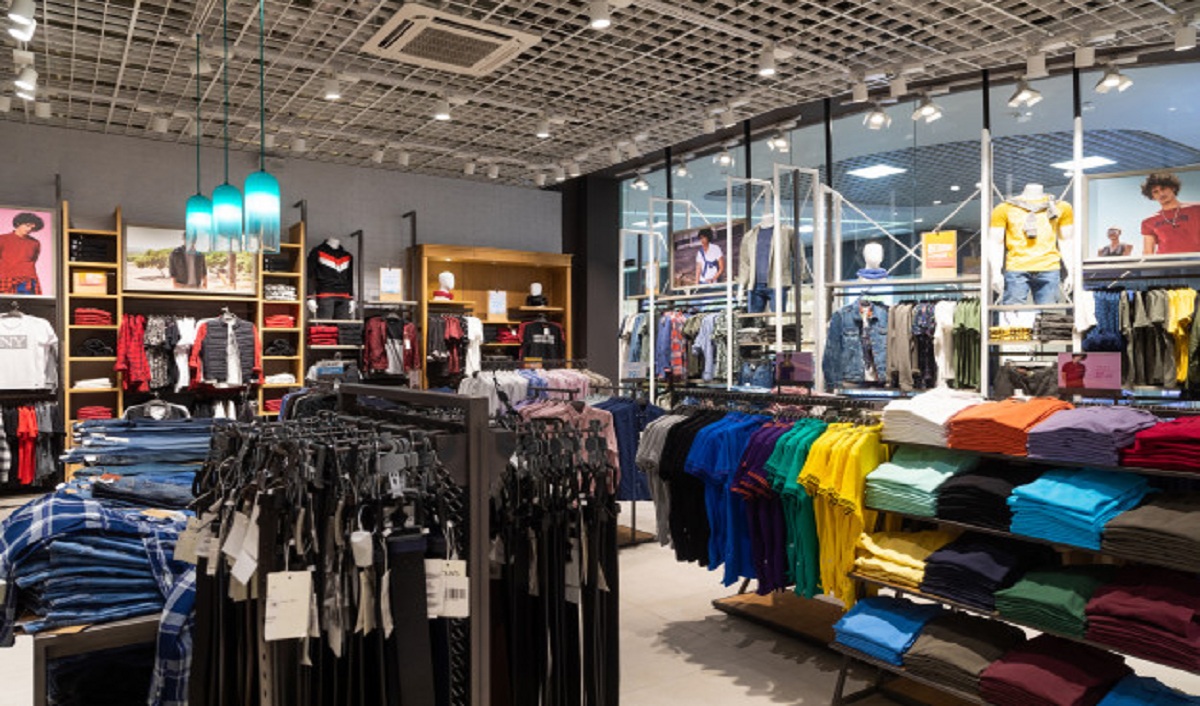

The online fashion retail industry is entering a transformative era shaped by technology, sustainability, and evolving consumer expectations. What once revolved around convenience and price comparison is now becoming a highly personalized, immersive, and value-driven experience. As digital shopping continues to mature, fashion brands that adapt quickly will define the next generation of retail.
The Rise of Hyper-Personalized Shopping
Personalization is no longer optional in online fashion retail. Shoppers expect platforms to understand their preferences, sizes, and style choices with precision.
Modern systems analyze:
- Browsing behavior and purchase history
- Color, fit, and fabric preferences
- Seasonal trends and lifestyle data
The result is tailored product recommendations, curated homepages, and personalized promotions that make customers feel understood rather than targeted.
Virtual Try-Ons and Immersive Experiences
One of the biggest challenges in online fashion has always been uncertainty around fit and appearance. This is rapidly changing through immersive technologies.
Key innovations shaping this space include:
- Virtual fitting rooms that simulate real body proportions
- Augmented reality tools for visualizing outfits in real-time
- 3D product views that showcase fabric movement and texture
These tools reduce return rates while increasing buyer confidence, bridging the gap between physical and digital shopping.
Artificial Intelligence in Fashion Retail
Artificial intelligence is becoming the backbone of modern fashion platforms. Beyond recommendations, AI influences nearly every stage of the retail lifecycle.
Notable applications include:
- Demand forecasting to reduce overproduction
- Dynamic pricing based on trends and inventory levels
- Chatbots that provide instant styling advice and customer support
By automating decision-making and enhancing efficiency, AI enables brands to scale without compromising customer experience.
Sustainability as a Core Business Model
Sustainability is shifting from a marketing message to a business necessity. Consumers are increasingly aware of the environmental impact of fast fashion and expect transparency.
Online retailers are responding by:
- Offering eco-friendly and ethically produced collections
- Providing clear information about materials and supply chains
- Reducing waste through made-to-order and limited-run models
Sustainable practices are no longer niche; they are becoming a standard expectation.
Social Commerce and Community-Driven Shopping
Fashion discovery is moving beyond traditional websites into social and interactive spaces. Community influence now plays a major role in purchasing decisions.
Emerging trends include:
- In-app shopping through social media platforms
- User-generated content that showcases real-life styling
- Live shopping events combining entertainment and commerce
This shift turns shopping into a shared experience, blending inspiration with instant purchasing.
Mobile-First and Seamless Checkout Experiences
Mobile devices dominate fashion browsing, making optimization essential. Speed, simplicity, and security define successful platforms.
Critical elements of the mobile-first future include:
- One-click and biometric payments
- Personalized mobile notifications and offers
- Seamless integration across apps, websites, and social platforms
A frictionless checkout experience can be the deciding factor between a completed purchase and an abandoned cart.
Data Privacy and Consumer Trust
As personalization deepens, so does the importance of data responsibility. Shoppers want tailored experiences without sacrificing privacy.
Future-focused retailers prioritize:
- Transparent data usage policies
- Secure payment and identity systems
- Giving users control over their personal information
Trust will become a competitive advantage in the crowded online fashion space.
The Road Ahead for Online Fashion Retail
The future of online fashion retail is not defined by a single innovation but by the integration of technology, ethics, and human-centered design. Brands that combine personalization, sustainability, and immersive experiences will stand out in an increasingly competitive market.
Success will depend on understanding customers not just as buyers, but as individuals seeking connection, convenience, and conscious choices.
Frequently Asked Questions
How will online fashion retail change in the next five years?
It will become more personalized, immersive, and sustainable, with technology driving smarter shopping experiences.
Will physical fashion stores become obsolete?
Physical stores will evolve rather than disappear, often serving as experience centers that complement online platforms.
How do virtual fitting rooms benefit shoppers?
They reduce uncertainty around fit, increase confidence in purchases, and lower return rates.
Is sustainability really influencing online fashion sales?
Yes, many consumers actively choose brands that demonstrate ethical sourcing and environmental responsibility.
How important is mobile optimization for fashion retailers?
Mobile optimization is critical, as most fashion browsing and purchases now happen on smartphones.
Can small fashion brands compete in the future online market?
Yes, by leveraging niche positioning, community engagement, and agile digital tools, smaller brands can thrive.
What role does customer data play in future fashion retail?
Customer data enables personalization and efficiency, but its ethical and transparent use is essential for long-term trust.

Comments are closed.