
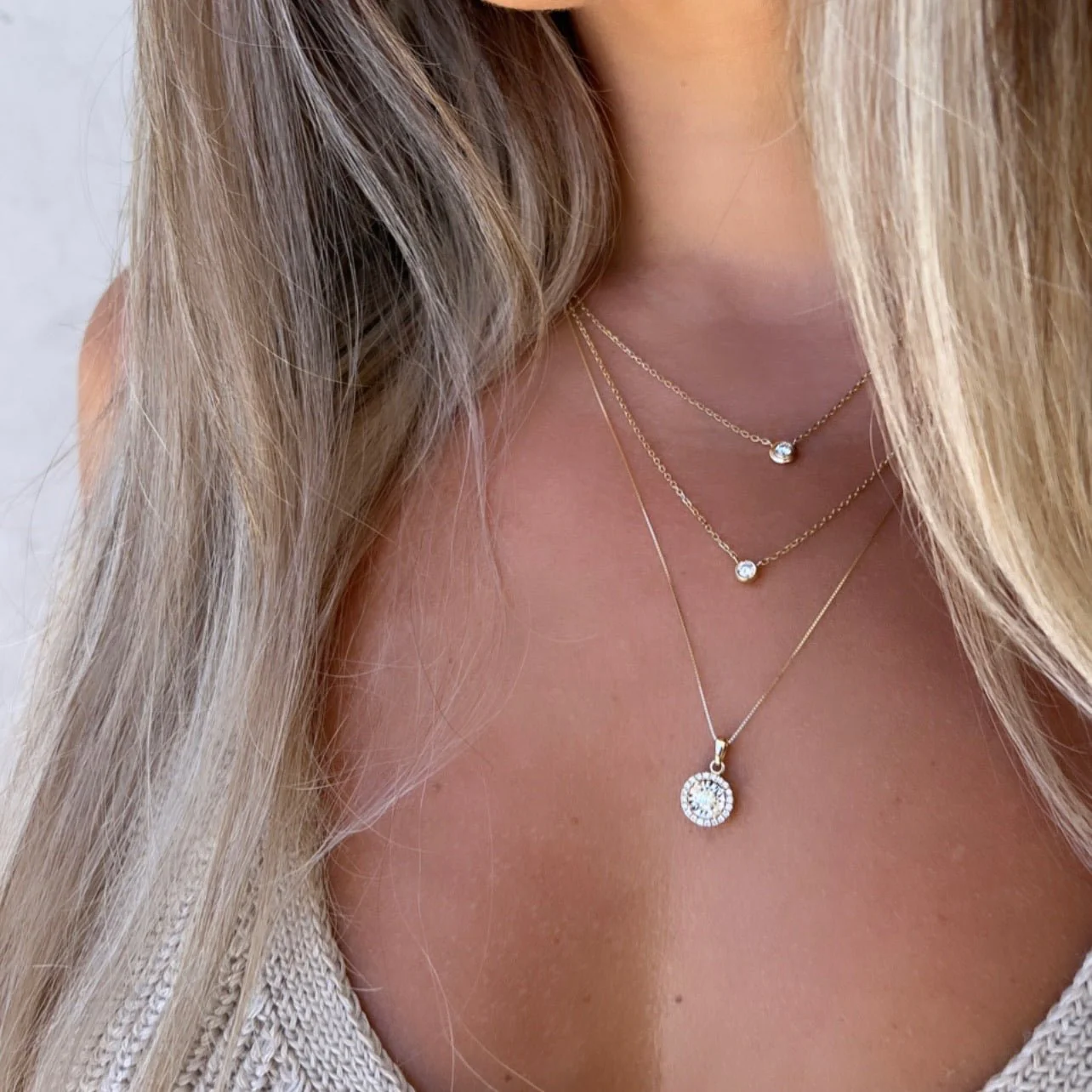

Necklaces and pendants have remained essential elements of jewelry across centuries. Resting close to the heart, they naturally draw attention and often carry deep emotional, cultural, and aesthetic meaning. Whether minimalist or ornate, these pieces effortlessly elevate personal style while preserving timeless appeal.
Understanding Necklaces and Pendants
Although often grouped together, necklaces and pendants serve slightly different purposes in jewelry design.
- Necklaces refer to the chain, strand, or structured piece worn around the neck
- Pendants are decorative elements suspended from a necklace
Together, they create versatile combinations that suit both everyday wear and formal occasions.
The Cultural and Emotional Significance
Necklaces and pendants have long symbolized more than beauty. Across different cultures and traditions, they have been used to represent:
- Love and commitment, such as heart-shaped or symbolic pendants
- Spiritual beliefs, including crosses, amulets, or talismans
- Heritage and identity, passed down through generations
- Personal milestones, like anniversaries or achievements
These meanings often transform a simple piece of jewelry into a lifelong keepsake.
Popular Necklace Styles
The style of a necklace determines how it complements an outfit and frames the neckline.
Common Necklace Designs
- Chain necklaces – Classic and versatile, ideal for layering or pendants
- Chokers – Sit closely around the neck for a bold, modern look
- Statement necklaces – Eye-catching designs meant to stand alone
- Beaded necklaces – Crafted from gemstones, pearls, or decorative beads
- Lariat necklaces – Long, open-ended styles offering adjustable elegance
Pendant Designs and Their Appeal
Pendants are the focal point of many necklaces, offering endless creative expression.
Popular Pendant Types
- Gemstone pendants – Highlight color, brilliance, and individuality
- Symbolic pendants – Carry spiritual, cultural, or personal meanings
- Initial and name pendants – Celebrate identity and personalization
- Minimalist pendants – Simple shapes designed for everyday wear
- Heirloom pendants – Vintage or antique pieces rich in history
The pendant often reflects the wearer’s personality more than any other jewelry piece.
Materials Used in Necklaces and Pendants
The choice of material influences durability, comfort, and visual appeal.
Common materials include:
- Gold – Timeless, resistant to tarnish, and suitable for fine jewelry
- Silver – Elegant and affordable, with a soft, luminous finish
- Platinum – Exceptionally durable and ideal for precious pendants
- Gemstones and diamonds – Add color, sparkle, and luxury
- Alternative metals – Stainless steel or titanium for contemporary designs
Styling Necklaces and Pendants
Necklaces and pendants adapt easily to different fashion choices when styled thoughtfully.
Styling tips:
- Pair delicate pendants with everyday outfits for subtle elegance
- Use layered necklaces to add depth and texture
- Match pendant length with neckline shape
- Let statement necklaces stand alone without competing accessories
Balanced styling ensures the jewelry enhances rather than overwhelms the look.
Caring for Necklaces and Pendants
Proper care extends the life and brilliance of these jewelry pieces.
- Store necklaces flat or hanging to prevent tangling
- Clean chains and pendants gently using suitable solutions
- Remove jewelry before sleeping or exercising
- Check clasps and settings regularly for security
Routine maintenance preserves both beauty and structural integrity.
Frequently Asked Questions (FAQs)
1. What necklace length works best for most outfits?
Medium lengths, such as princess-length necklaces, tend to suit a wide range of necklines and body types.
2. Can pendants be swapped between different chains?
Yes, as long as the pendant loop and chain thickness are compatible.
3. Are lightweight necklaces more comfortable for daily wear?
Generally, lighter necklaces reduce strain on the neck and are ideal for extended use.
4. How do I prevent necklaces from tangling during storage?
Storing them individually or hanging them vertically helps minimize tangling.
5. Do pendants lose value if removed from their original chains?
The value typically remains unchanged, especially if the pendant itself is made from precious materials.
6. Can necklaces and pendants be resized or adjusted?
Chains can often be shortened or extended, depending on design and material.
7. Are personalized pendants suitable for gifting?
Yes, personalized pendants are highly popular gifts due to their emotional significance.
Necklaces and pendants continue to blend tradition with modern expression. Their ability to tell stories, mark moments, and enhance personal style makes them enduring favorites in jewelry collections worldwide.

Comments are closed.