
The Pilates Aesthetic in Singapore: How a Discipline Built on Precision Is Reshaping Activewear Design Standards

There is something distinctive about the visual culture that has developed around Pilates in Singapore, and it is not simply a subset of the broader yoga and fitness aesthetic. Pilates has developed its own specific visual vocabulary, one that reflects the discipline’s foundational emphasis on alignment, economy of movement, and refined physical control. The apparel choices of Singapore’s serious Pilates community are shaped by these values in ways that are interesting both as a consumer behaviour story and as a signal about how a movement practice’s principles translate into material culture.
The pilates singapore apparel conversation is worth examining in depth because it reveals something genuine about the relationship between how a practice is structured and what its practitioners value in the equipment they use, including what they wear.
Why Pilates Has Developed a Distinct Apparel Culture
Pilates differs from yoga and most other fitness disciplines in several ways that directly affect what apparel works best in practice. The reformer-based work that characterises studio Pilates involves lying, sitting, kneeling, and standing on a sliding carriage and various apparatus in positions that are not typically encountered in yoga or conventional gym training. The contact between the body and equipment surfaces, the sliding mechanics of the reformer, and the specific demands of spring-resistance exercises all create functional apparel requirements that are specific to Pilates and not fully addressed by apparel designed primarily for yoga or gym contexts.
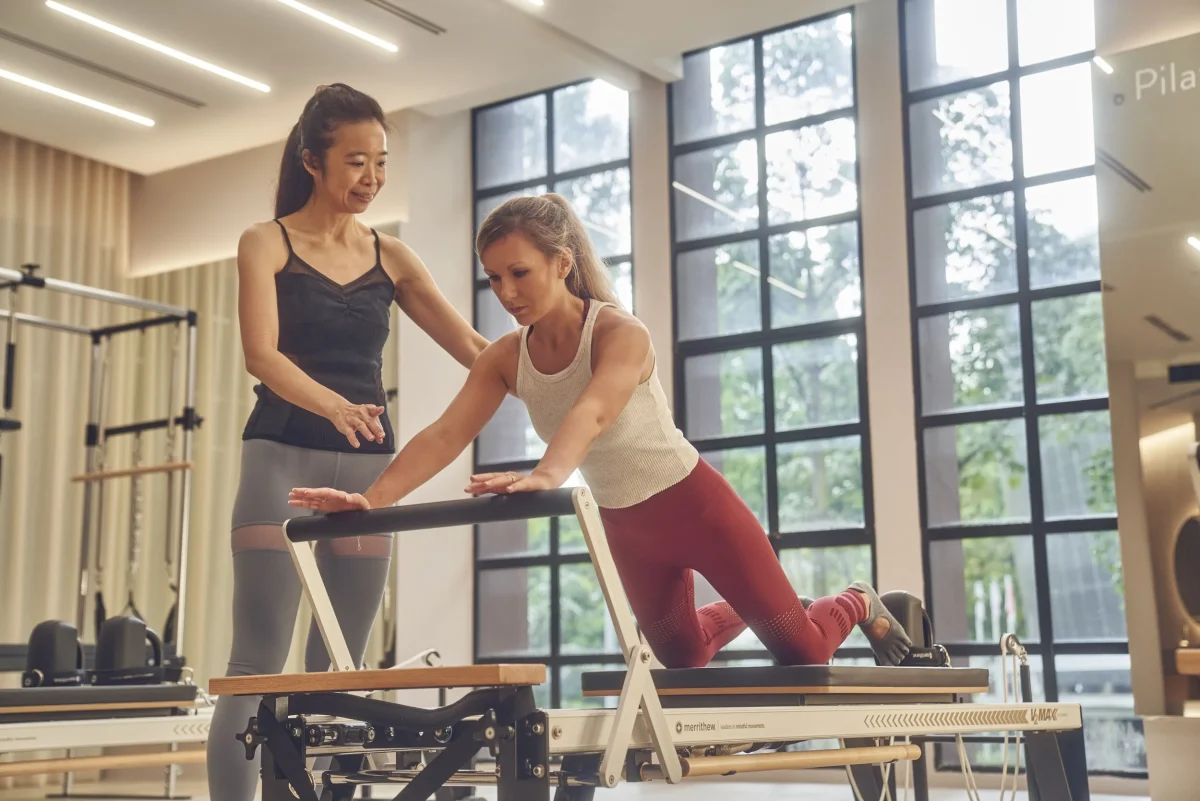
The precision orientation of Pilates also creates a specific aesthetic value in apparel that is visible and aligned on the body: clothing that allows the teacher to see clearly whether the spine is neutral, whether the pelvis is level, whether the shoulder blades are correctly positioned. This requirement creates a preference for more fitted apparel than is common in yoga cultures that emphasise comfort and freedom of movement over visual clarity of alignment.
The studio environment of reformer Pilates, which involves more direct contact with equipment surfaces than yoga or most gym exercise, also creates specific durability and grip requirements. Fabric that maintains its shape and surface texture through regular contact with reformer padding and footbars, that does not pill or lose its structural integrity through this kind of use, is valued by serious practitioners in ways that occasional practitioners do not prioritise.
The Alignment Visibility Principle and Its Apparel Implications
The single most distinctive driver of Pilates-specific apparel preferences is what might be called the alignment visibility principle: the practical requirement that both teacher and practitioner can clearly observe body alignment during movement. This has several specific apparel implications.
Fitted rather than loose silhouettes are broadly preferred in Pilates communities because loose fabric obscures the body’s position and makes alignment assessment more difficult. A teacher attempting to evaluate whether a client’s pelvis is in neutral during footwork on the reformer is significantly aided by fitted legwear that makes the position of the hip bones and the orientation of the pelvis clearly visible. The same teacher working with a client in loose, draping fabric has meaningfully reduced observational capacity.
This alignment visibility requirement has pushed the Pilates community toward a category of fitted, mid-to-high-waist leggings that provide both the alignment visibility teachers need and the pelvic support that reformer-based exercises, with their emphasis on neutral pelvis, benefit from. The high-waist silhouette has specific functional advantages in Pilates beyond its alignment visibility: it maintains its position consistently through the range of reformer exercises, does not slide down during inversion-adjacent positions, and provides a tactile reference for pelvic position that some practitioners find helpful in maintaining neutral pelvis awareness.
Grip and Surface Interaction Requirements
The reformer environment creates specific grip requirements that differ meaningfully from yoga and gym contexts. The footbar work in reformer Pilates involves pressing through the soles of the feet against a padded bar, and the quality of grip between foot and bar affects both safety and the quality of force transmission through the kinetic chain.
Grip socks have become a near-universal component of the Pilates practitioner’s kit for this reason, and the quality differentiation in the grip sock market is substantial. The most effective grip socks for reformer Pilates combine a precise, full-coverage grip pattern on the sole with a fit that maintains its position without bunching or sliding during footwork. Grip socks that bunch at the toe or slide across the heel create micro-instabilities in foot positioning that are amplified through the spring-resistance system and affect the quality of spinal alignment throughout the exercise.
Upper body grip during reformer exercises, specifically during footwork and leg work where the hands are bracing against the shoulder rests or holding straps, creates a separate apparel consideration around the durability and tactile properties of the fabric at the upper back and shoulder region.
Singapore’s Pilates Apparel Market Trajectory
The Pilates apparel market in Singapore has followed a trajectory that somewhat mirrors but lags the broader yoga apparel evolution. The initial phase of aesthetic-forward purchasing, in which the visual appeal of Pilates-associated brand aesthetics was the primary purchase driver, has given way among serious practitioners to a more functionally oriented approach that prioritises the specific requirements of reformer-based practice.
The brands finding strongest traction among Singapore’s most experienced Pilates practitioners are those that have engaged seriously with the functional requirements of reformer work rather than simply applying a fitness aesthetic to conventional activewear shapes. These tend to be smaller, more specialist brands rather than the large lifestyle activewear names, because the functional specificity of Pilates apparel requirements is a niche that rewards deep product development over broad market positioning.
The retail channels through which Singapore’s serious Pilates apparel purchasing occurs have also evolved. Direct-to-consumer relationships with specialist brands, facilitated by digital platforms and community recommendation networks, have largely displaced the physical retail experience for this category. The studio community network, including recommendations from teachers and experienced fellow practitioners, functions as a more trusted and more precisely calibrated information channel than any retail environment.
Studios like Yoga Edition contribute to this information ecosystem both through the apparel standards their own practice environments model and through the collective knowledge of their practitioner communities, which collectively represent some of Singapore’s most informed and discerning activewear consumers. The Pilates community’s increasingly sophisticated approach to apparel is one expression of a broader maturation toward practice-first values that is reshaping the wellness consumer market in genuinely interesting ways.

Comments are closed.