
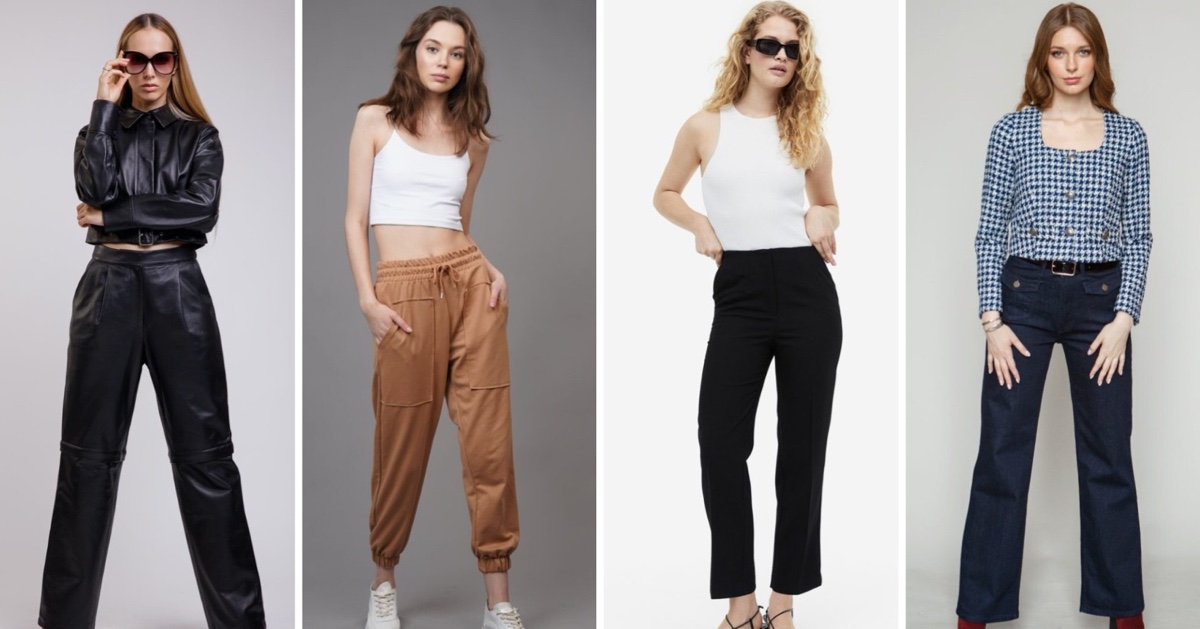

Children’s clothing buying is often done by size label and habit rather than by what the garment needs to do. For boys, the two bottomwear categories that come up most are track pants and trousers, and they serve settings that rarely overlap. Buying deliberately within each, the right fabric for the activity, the right fit for the occasion, reduces the gap between what is in the wardrobe and what is actually needed.
Boys’ Bottomwear by Setting
Different bottomwear constructions suit different daily settings and activity demands.
| Style | Setting | Key Feature | Fabric |
| Track Pants | Sport, play, PE | Stretch, durability | Cotton, polyester |
| Trousers | School, events | Structured, presentable | Cotton, polyester blend |
| Jeans | Casual, weekend | Durable, everyday | Denim |
| Shorts | Summer, outdoor | Lightweight, breathable | Cotton |
| Joggers | Home, casual | Elastic waist, comfort | Cotton, fleece |
Track Pants for Boys: Built for Active Daily Use
Track pants for boys cover physical education classes, after-school sport, playground activity, and casual home wear within a single category. Children’s movement is less predictable and more intense than adult activity, and the strain placed on seams and fabric reflects that.
A cotton or cotton-polyester blend is the most practical fabric for track pants for boys that see heavy daily use. The blend breathes well enough for outdoor activity, dries faster than pure cotton after a sweaty session, and withstands the washing frequency that children’s active clothing requires without degrading significantly in the first year.
Trousers for Boys: School and Occasion Appropriate
Trousers for boys serve the structured end of a school-age child’s clothing requirements, school uniforms, family gatherings, religious occasions, and events where athletic bottomwear would be visually out of place. The construction is more formal by design, which suits the occasion but means physical comfort during active movement is a secondary consideration.
For school settings specifically, A polyester-cotton blend with a partially elasticated waistband offers more comfort across a seated school day than a rigid fixed-waist construction. Darker colours manage light soiling better than lighter alternatives, which matters for five-day-a-week school use.
What to Check Before Buying
Waist and hip measurements together determine fit more accurately than age label or a single dimension. Proportions vary significantly at the same age, and a correct waist size can still be too narrow at the hip. Checking both against the brand’s chart is faster than returning and reordering. Any piece requiring hand washing or dry cleaning is a poor choice for daily school or sport use.
To Wrap Up
Boys’ bottomwear works best when it is bought with the specific setting and activity level in mind rather than by size and habit alone. AJIO offers 1,000+ boys’ bottomwear options in various styles, fabrics and sizes. Returns are accepted within 30 days of delivery.
FAQs
- What fabric works best for active track pants?
Boys track pants that are used in active settings are best made of cotton-polyester blends. They breathe well, dry faster than pure cotton and retain their shape and seams even after frequent washing.
- How should I size trousers for boys?
Check waist and hip measurements against the size chart rather than relying on the age label. trousers for boys that fit correctly at the waist but are too narrow at the hip restrict movement and sit uncomfortably across a full school day.
- How many track pants does a school-age boy need?
Three to four pairs covers a child attending school daily and involved in after-school sport, allowing for daily use and washing without needing same-day turnaround on laundry.
- Can boys’ trousers be adjusted for length as the child grows?
Many trousers for boys styles include a hem allowance of 2 to 4 cm that can be let down as the child grows. Checking the product description before purchasing is worth doing if longevity is a priority.
- What waist construction works best for younger boys?
The most practical kind of waist for younger boys who are learning to dress themselves are full elastic or drawstring waists. Good for older boys are fixed buttons or zips, and Track Pants for Boys and school trousers look smarter for formal occasions.

Comments are closed.