
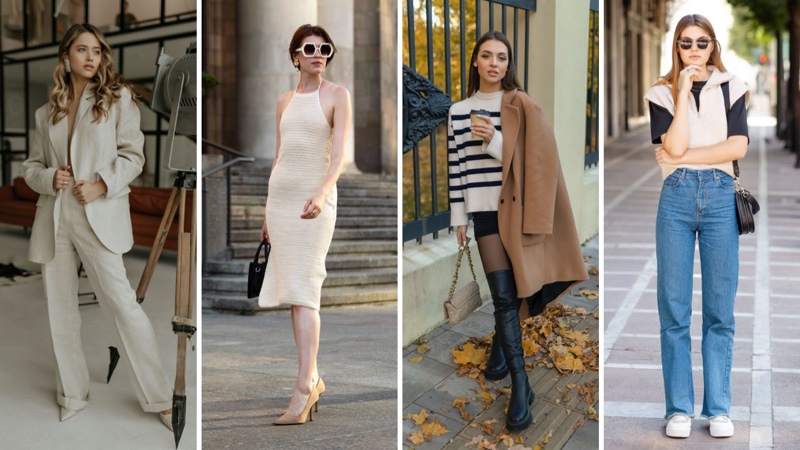

Minimalist clothing is more than a fashion preference—it’s a thoughtful approach to dressing that values simplicity, quality, and intention. In a world saturated with fast trends and overflowing closets, minimalism offers clarity. By choosing fewer, better-made pieces, you gain versatility, confidence, and a calmer relationship with what you wear.
What Is Minimalist Clothing?
Minimalist clothing centers on clean silhouettes, neutral palettes, and timeless design. Instead of chasing seasonal fads, it emphasizes garments that work together effortlessly and endure beyond a single trend cycle.
Key characteristics include:
- Neutral colors such as black, white, gray, beige, and navy
- Simple cuts with minimal embellishment
- High-quality fabrics that age well
- Versatility, allowing pieces to be mixed and matched easily
The result is a wardrobe that feels cohesive and intentional rather than cluttered.
Why Less Truly Is More in Fashion
Reduced Decision Fatigue
When your closet contains only items you love and wear often, getting dressed becomes easy. Fewer choices mean less stress and more mental clarity, especially during busy mornings.
Timeless Style Over Trends
Minimalist pieces don’t rely on loud patterns or fleeting trends. Their appeal lies in classic proportions and subtle elegance, ensuring they remain stylish year after year.
Better Cost-per-Wear
While minimalist items may cost more upfront, they’re worn far more frequently. Over time, quality outperforms quantity, saving money and reducing waste.
Sustainability Benefits
Owning fewer clothes naturally lowers consumption. Choosing durable garments and wearing them longer contributes to a more sustainable fashion ecosystem.
The Core Elements of a Minimalist Wardrobe
Neutral Color Palette
Neutral shades make coordination effortless. They also create a polished look that works across seasons and occasions.
High-Quality Basics
Think well-fitted tees, crisp shirts, tailored trousers, and classic outerwear. These foundational pieces anchor the entire wardrobe.
Clean Lines and Fit
Minimalism relies on shape rather than decoration. Proper fit enhances comfort and elevates even the simplest outfit.
Intentional Accessories
Accessories are kept subtle—leather belts, simple watches, understated bags—adding function without visual noise.
How Minimalist Clothing Enhances Daily Life
Minimalist dressing often leads to a shift in mindset. By curating what you wear, you practice intentional decision-making, which can extend into other areas of life.
Benefits include:
- Increased confidence from consistently polished outfits
- Time savings due to easier outfit planning
- Less clutter in living spaces
- Stronger personal style rooted in authenticity
Rather than feeling restricted, many people discover more freedom in having fewer options that truly work.
Transitioning to a Minimalist Wardrobe
Adopting minimalist clothing doesn’t require discarding everything at once. A gradual approach is often more effective.
Steps to begin:
- Evaluate what you wear most often and why
- Remove items that don’t fit, flatter, or feel right
- Invest slowly in versatile, high-quality replacements
- Prioritize comfort, durability, and timeless design
Minimalism is a process, not a rulebook. The goal is alignment—not perfection.
Minimalism as a Personal Expression
Contrary to common belief, minimalist clothing isn’t about uniformity. It’s about refining your personal taste. Whether your style leans casual, professional, or creative, minimalism adapts by focusing on what truly represents you—without excess.
FAQs About Minimalist Clothing
1. Is minimalist clothing only about neutral colors?
No. While neutrals are common, minimalist wardrobes can include color—as long as it’s intentional and versatile.
2. Does minimalist fashion work for all body types?
Yes. Clean lines and proper tailoring can enhance any body shape when fit is prioritized.
3. How many pieces should a minimalist wardrobe have?
There’s no fixed number. The right amount depends on lifestyle, climate, and personal preference.
4. Can minimalist clothing be suitable for work environments?
Absolutely. Minimalist pieces often align perfectly with professional dress codes due to their polished and refined appearance.
5. Is minimalist fashion expensive to maintain?
Not necessarily. While individual items may cost more, fewer purchases and longer wear often reduce overall spending.
6. How do seasons affect a minimalist wardrobe?
Seasonal needs are addressed by layering and rotating a small selection of weather-appropriate essentials.
7. Can minimalist clothing still feel expressive?
Yes. Expression comes from fit, texture, and how pieces are combined—not from excess or ornamentation.
Minimalist clothing proves that less truly can be more—more clarity, more confidence, and more purpose in what you wear every day.

Comments are closed.