
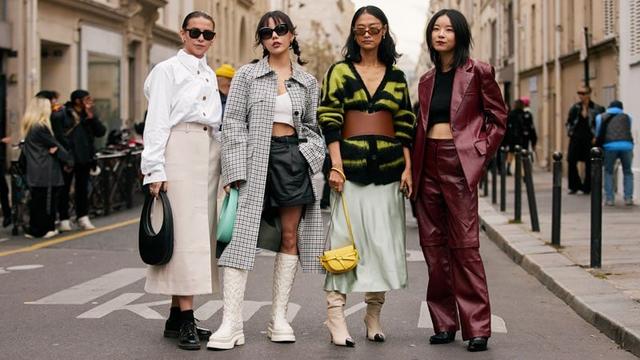

Clothing trends never emerge in isolation. They are shaped by history, geography, beliefs, art, and social values passed down through generations. What people wear often reflects who they are, where they come from, and how their culture responds to change. Understanding cultural influence in fashion reveals why certain styles rise, evolve, or resurface over time.
The Role of Culture in Fashion Evolution
Culture acts as a blueprint for clothing design. From ceremonial garments to everyday wear, fashion evolves based on local customs, climate, religious practices, and social structures. As societies interact, these influences blend, giving rise to new styles while preserving cultural identity.
Clothing trends often emerge when tradition meets modern interpretation, creating garments that feel both familiar and contemporary.
Traditional Attire as the Foundation of Trends
Many modern styles borrow elements from traditional clothing. Patterns, silhouettes, and fabric choices rooted in heritage often reappear in updated forms.
Common examples include:
- Textile patterns inspired by regional craftsmanship
- Loose silhouettes derived from traditional comfort-based garments
- Symbolic colors tied to cultural meaning
- Handmade techniques adapted for modern production
These elements add depth and storytelling to contemporary fashion.
Geography and Climate as Cultural Drivers
Cultural clothing is heavily shaped by the environment. Climate influences fabric choice, layering, and garment construction, which then informs global trends.
For example:
- Hot regions favor breathable, lightweight fabrics
- Cold climates inspire layering and insulating designs
- Coastal cultures influence relaxed, fluid silhouettes
- Mountain regions inspire durable, protective clothing
As these practical designs spread globally, they evolve into mainstream fashion staples.
Religion and Belief Systems in Clothing Design
Religious and spiritual beliefs significantly impact how people dress. These influences shape norms around modesty, color use, garment length, and accessories.
Over time, designers reinterpret these guidelines into modern silhouettes that respect tradition while appealing to broader audiences. This balance often leads to timeless styles rooted in cultural values.
Art, Music, and Subcultures
Fashion often mirrors cultural expression found in art and music. Subcultures play a powerful role in shaping trends that later enter the mainstream.
Influences commonly stem from:
- Music movements that define generational style
- Street art and visual culture that inspire prints and graphics
- Youth subcultures that challenge conventional fashion norms
- Political and social movements reflected through clothing statements
These influences give fashion its emotional and symbolic impact.
Globalization and Cultural Exchange
With increased global connectivity, fashion trends now travel faster than ever. Cultural exchange allows styles from one region to influence wardrobes worldwide.
Key effects include:
- Blending of traditional and modern aesthetics
- Revival of heritage techniques on global platforms
- Greater appreciation for diverse cultural identities
- Emergence of fusion fashion combining multiple influences
While this exchange fuels creativity, it also highlights the importance of cultural respect and understanding.
Cultural Identity and Modern Fashion Choices
Today, many individuals use clothing to reconnect with their roots or express multicultural identities. Fashion becomes a personal narrative, blending cultural heritage with modern lifestyle needs.
This shift has led to increased demand for:
- Authentic craftsmanship
- Culturally inspired designs with modern relevance
- Ethical and transparent production practices
Clothing trends now reflect not just aesthetics, but values and identity.
FAQs About Cultural Influences on Clothing Trends
1. Why do cultural elements reappear in fashion trends?
Cultural elements are timeless. Designers revisit them because they carry meaning, history, and visual richness that resonate across generations.
2. How does cultural appreciation differ from appropriation in fashion?
Appreciation involves respect, acknowledgment, and collaboration, while appropriation ignores cultural significance and context.
3. Can cultural fashion trends change over time?
Yes. Cultural styles evolve as societies modernize, adapt to technology, and respond to global influences.
4. How do festivals influence clothing trends?
Festivals showcase traditional attire, colors, and craftsmanship, often inspiring seasonal and event-based fashion trends.
5. Does cultural influence limit creativity in fashion?
No. Cultural foundations often expand creativity by providing rich sources of inspiration and storytelling.
6. How do younger generations reshape cultural fashion?
Younger generations reinterpret traditional styles, blending them with modern silhouettes, materials, and global trends.
7. Why is cultural diversity important in the fashion industry?
Cultural diversity fosters innovation, inclusivity, and authenticity while ensuring global representation in fashion narratives.
Cultural influences shape clothing trends by connecting past traditions with present expression. Fashion becomes more than style—it becomes a living reflection of human history, identity, and shared creativity.

Comments are closed.